
On April 13, 2026, Nepal’s Department of Commerce released a public notice.
If you were an importer, you had exactly 15 days to change everything about how you bring goods into the country.
Starting April 28, every finished product entering Nepal needed a Maximum Retail Price (MRP) label physically printed on it before customs would clear it. Not after. Before.
No sticker. No clearance. Your shipment stays at the border.
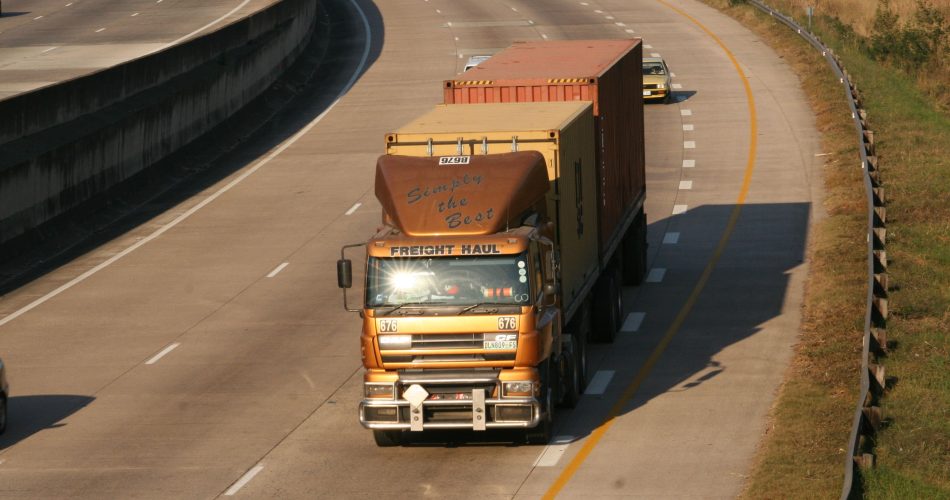
I read the notice and felt my stomach drop. My inventory batch was already in transit from China. Already on the road from the border. No labels. No way to print them while they were moving.
Was my entire shipment about to get stuck at Birgunj customs? Lakhs of rupees in limbo because of a piece of paper?
What Actually Happened at the Border
I dug deeper. And what I found was a story the government wasn’t telling in their press release.
The MRP mandate hit every major customs point at once: Birgunj, Bhairahawa, Biratnagar, Rasuwagadhi, Nepalgunj, and Kakarbhitta. Trucks stacked with unlabeled goods started queueing up within days.
The stated goal made sense — consumer protection. A single maximum price printed on every product so shopkeepers across Nepal couldn’t overcharge. Fair enough.
But here’s what the government’s press release didn’t mention:
A bag of cement priced at Rs 800 in Birgunj costs Rs 1,600 by the time it reaches Jumla. The transport cost alone doubles the price. A single national MRP is geographically impossible for nearly every product in Nepal.
Raw materials, machinery parts, perishable fruits — all stuck because they arrived without a sticker that few suppliers outside Nepal knew existed.
Business federations across the country started calling for an emergency review.
The Head Fake — What Nobody Told Me
I called my C&F agent, ready to hear how many weeks my inventory would be delayed.
Instead, he told me something I hadn’t read in any news article:
The government had already created a back door.
On April 30, the Customs Department quietly announced a temporary relaxation: importers could clear their goods by submitting a self-declaration of the MRP value at the customs point. No physical labels needed at the border.
You write down the maximum retail price. You commit in writing to print the labels before the goods reach store shelves. And the shipment clears.
No stickers. No printing delays. No goods rotting at the border.
I went from bracing for a 3-week delay to having my shipment released in 48 hours. The documents arrived pre-arrival, the self-declaration was accepted, and the cargo rolled out of customs on schedule.
But Here’s the Problem — Most Importers Still Don’t Know
The relief was real. But the situation exposed three deeper problems that importers need to watch for:
1. Three government bodies, three different messages
The Ministry of Finance, the Department of Commerce, and the Department of Customs all issued directives that didn’t fully align. One said one thing. Another interpreted it differently. If your C&F agent worked with the wrong official notice, your shipment sat.
2. The self-declaration is temporary — and incomplete
The current relaxation is not permanent law. The government has said further clarification will come through the upcoming fiscal year’s economic legislation. That means the rules could change again, and the window of leniency could close without warning.
3. Verification is coming
Right now, you self-declare and you’re through. But officials have already signaled that self-declared MRP values will eventually be audited. If your declared MRP doesn’t match what you actually sell at — and the gap can’t be justified by transport costs — you could face penalties later.
What This Means for Importers Right Now
If you’re bringing goods into Nepal, here’s your playbook:
Before your next shipment lands:
- Get the self-declaration form from your C&F agent before the cargo arrives. Pre-filing saves days.
- Have your supplier print MRP labels at the factory for future batches. The self-declaration loophole won’t last forever.
- Document your transport cost breakdown. If your MRP is higher in remote districts than in Kathmandu, keep the math ready — audits are coming.
If your shipment is at customs right now:
- Your C&F agent can file an MRP self-declaration immediately. Do not wait for physical labels.
- The self-declaration is a written commitment. Your goods clear. Your labels go on before retail sale.
For the long term:
- Watch the upcoming budget session. The economic legislation will likely codify or replace the current temporary rules.
- Build MRP labeling into your supplier agreement. Chinese, Indian, and other international suppliers may not know Nepal’s rules — add it to your PO terms explicitly.
- Join a business federation. The ones that pushed for this relaxation (FNCCI, business associations) had direct lines to policymakers. Individual importers were caught off guard.
The Real Lesson
The MRP mandate wasn’t a bad idea poorly executed. It was a good idea that ignored how Nepal actually works — where transport doubles prices between districts, where international suppliers don’t track Nepal’s domestic regulations, and where three government bodies can say three different things on the same day.
The self-declaration loophole saved my shipment. But the importers who treat it as a permanent solution instead of a temporary bridge will be the ones caught when the rules change again.
I learned this the hard way so you don’t have to. Your shipment doesn’t need to sit at Birgunj another day.

