I Was “Productive” 14 Hours a Day and Getting Nothing Done
Fourteen hours. Color-coded calendar. Six productivity apps. A todo list with 47 items on it. And at the end of every day, I’d close my laptop feeling like I’d been running on a treadmill — exhausted, but nowhere.
This was me in early 2025. Solo founder. Two projects. No boss. No office. No one telling me to stop. So I didn’t stop. I worked 14 hours because I could. I tracked everything because the apps told me to. I optimized my morning routine, my deep-work blocks, my Pomodoro intervals, my weekly review.
And my two projects barely moved.
Something was wrong — not with my discipline, not with my apps, but with the entire assumption underneath all of it. Was I actually being productive? Or was I just performing productivity for myself?
The Productivity App Industry Sells the Feeling, Not the Result
Here’s the part nobody tells you: most productivity apps are designed to make you feel productive, not to make you productive. Checking a box releases dopamine. Streak counters release dopamine. Color-coded calendars release dopamine. The app rewards the input — the task added, the box checked, the streak extended — regardless of whether the output mattered.
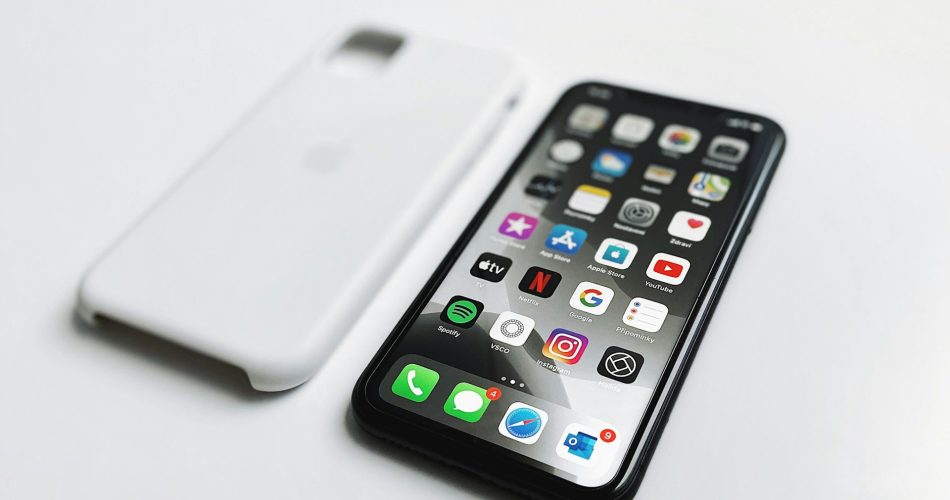
I had 47 tasks on my list because the app made adding tasks feel like progress. I had six apps because each one promised a different kind of feeling. Notion for organizing. Todoist for checking. Forest for focus. Toggl for tracking. Obsidian for notes. Google Calendar for blocking.
Six apps. Fourteen hours. Zero meaningful output. The apps were running me.
You’ve been told that the right system will unlock your productivity. Turns out the system is usually what’s blocking it.
The Day I Deleted Five Apps
I didn’t plan it. I hit a wall on a Friday — 14 hours, 47 tasks “done,” and I realized I couldn’t name a single thing I’d actually shipped that week. Not one feature pushed. Not one blog published. Not one customer email sent. Just 47 boxes checked across six apps.
I opened my phone and deleted five of the six apps. Kept one — a tracker I’d been building myself, a stripped-down thing with no streaks, no colors, no dopamine loops. Just a list of three things, and a button that marked them done or not.
Three things. Not 47. Three.
The next Monday I wrote down three outcomes I wanted by Friday. Not tasks — outcomes. “Ship the checkout flow.” “Write the blog post.” “Reply to the three pending customer emails.” Three. Then I worked toward them without tracking anything else.
I shipped all three by Wednesday.
The same brain, the same hours, the same projects — but without six apps feeding me dopamine for fake progress, I had nothing left to do except the actual work. The discomfort of doing the work was always there. The apps had been masking it with checkbox comfort.
Which Would Be the End, Except…
This isn’t just a story about deleting apps. It’s about a structural lie in the productivity industry — the lie that more tracking equals more output. It doesn’t. More tracking equals more tracking. The apps have a vested interest in keeping you inside them: your attention is their revenue, your streak is their retention metric, your 47-task list is their daily active user number.
They’re not optimizing for your output. They’re optimizing for their own.
Once I saw that, I couldn’t unsee it. Every productivity app I opened, I’d ask: is this helping me ship, or is this helping me feel like I’m shipping? Most of the time, the answer was the second one.
The 3-Outcome Rule I Now Run Everything On
I now run my entire week on one rule. No streaks. No color codes. No 47-task lists. Just this:
1. Three outcomes per week — not tasks
An outcome is a finished thing that exists in the world when you’re done. “Write blog post” is an outcome. “Research blog post” is a task. Outcomes ship. Tasks accumulate. I pick three outcomes every Monday and don’t add more until all three are done.
2. One screen, one list, no app
I use FlowDesk — the app I built after deleting the other five. One list. Three items. No streaks, no colors, no dopamine loops. A pen and notebook works the same way. The medium doesn’t matter. The constraint does.
3. If it’s not on the list, it doesn’t exist this week
This is the hard part. Every idea, every “quick thing,” every shiny new task that shows up — it goes in a parking lot, not on the list. It waits until next Monday. Most of it turns out not to matter by then. The 5% that does becomes next week’s outcome.
The Uncomfortable Truth About Productivity
Productivity isn’t about doing more. It’s about doing less — but doing the less that actually matters. The apps sold you the first version because the first version keeps you in the app. The second version doesn’t need an app at all.
I was productive 14 hours a day and getting nothing done. Now I work six hours and ship three things a week. The difference isn’t discipline. The difference is I stopped letting apps reward me for fake progress and started holding myself to real output.
If your todo list has 47 items on it, you don’t have a productivity problem. You have a filtering problem. Delete the apps. Pick three outcomes. Do the work that actually exists when you’re done.
And if you’re curious about the stripped-down app I built after deleting the other five — that story is right here.

